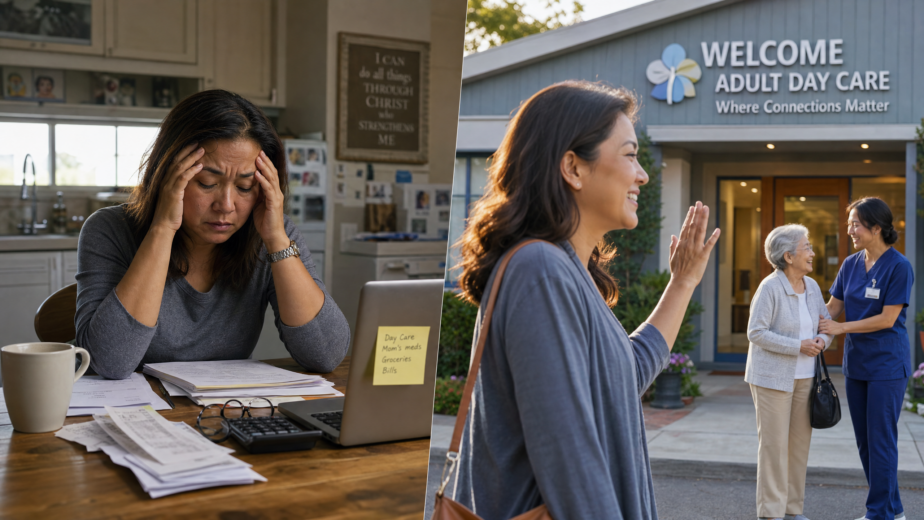
As conversations around healthy aging continue to evolve, one factor is gaining increased attention among healthcare professionals, caregivers, and families alike: social connection. While nutrition, exercise, and medical care are essential components of senior wellness, meaningful human interaction plays an equally important role in helping older adults maintain their physical, emotional, and cognitive health.
Unfortunately, many seniors experience loneliness and social isolation as they age. Retirement, the loss of loved ones, mobility challenges, and changing family dynamics can gradually reduce opportunities for regular social engagement. Over time, this lack of connection can impact overall well-being and quality of life.
Today, experts recognize that social interaction is not simply a pleasant addition to a senior’s routine—it is a vital part of healthy aging. Adult day services and community-based programs are becoming increasingly valuable because they help older adults stay active, engaged, and connected to others in meaningful ways.
What Is Healthy Aging?
Healthy aging refers to the process of maintaining physical health, mental well-being, independence, and overall quality of life as people grow older. Rather than focusing solely on the absence of disease, healthy aging emphasizes the ability to continue participating in activities that bring purpose, fulfillment, and joy.
For many seniors, healthy aging includes:
- Maintaining social relationships
- Staying physically active
- Participating in meaningful activities
- Supporting cognitive health
- Preserving independence
- Engaging with the community
While healthcare and wellness services contribute significantly to these goals, social connection often serves as the foundation that supports them all.
Why Social Connection Matters More Than Ever
Humans are naturally social beings. Throughout life, relationships provide emotional support, encouragement, companionship, and a sense of belonging. These benefits do not diminish with age. In fact, they often become even more important.
Social connection helps seniors remain engaged with the world around them. Whether through conversations, group activities, shared meals, or recreational programs, regular interaction provides opportunities for learning, laughter, and emotional support.
For older adults, staying socially connected can contribute to:
- Improved emotional wellness
- Greater life satisfaction
- Enhanced cognitive function
- Increased confidence
- Better stress management
- Stronger sense of purpose
As families seek ways to support aging loved ones, maintaining social engagement has become a key component of long-term wellness planning.
The Hidden Health Risks of Loneliness in Older Adults
Loneliness is more than an emotional challenge. Research continues to show that prolonged social isolation can affect multiple aspects of health.
When seniors spend extended periods without meaningful interaction, they may experience:
Increased Risk of Depression and Anxiety
Regular social interaction provides emotional support and helps reduce feelings of loneliness. Seniors who remain connected with others often report better mood and greater overall happiness.
Declining Cognitive Health
Mental stimulation is essential for maintaining cognitive function. Conversations, games, group discussions, and shared experiences help keep the brain active and engaged.
Reduced Physical Activity
Social programs often encourage movement and participation. Seniors who are isolated may be less likely to stay physically active, which can affect mobility and overall health.
Lower Quality of Life
A lack of social engagement can reduce motivation and enjoyment in daily life. Maintaining relationships and participating in community activities often helps seniors feel more connected and fulfilled.
How Social Activities Support Cognitive Wellness
One of the most important benefits of social engagement is its positive impact on brain health.
Every conversation, group activity, or shared experience requires seniors to process information, communicate, solve problems, and recall memories. These interactions naturally stimulate various cognitive functions.
Meaningful Conversations Promote Mental Engagement
Simple daily conversations encourage memory recall, language skills, and critical thinking. Regular communication helps keep the mind active and responsive.
Group Activities Encourage Learning
Participating in recreational programs, educational workshops, and social events exposes seniors to new ideas and experiences that support lifelong learning.
Shared Experiences Strengthen Memory
Memory & Sensory Care experiences that include music, storytelling, art, and sensory engagement can help stimulate memories, support cognitive wellness, and encourage meaningful participation.
These benefits are especially valuable for older adults seeking to maintain cognitive wellness as they age.
The Connection Between Social Wellness and Physical Health
Healthy aging is not only about staying mentally engaged. Social connection can also influence physical well-being.
Seniors who participate in social activities are often more motivated to maintain healthy routines. Community-based programs frequently incorporate movement, wellness activities, and opportunities to stay active throughout the day.
Encouraging Movement Through Participation
Whether participating in gentle exercise classes, walking groups, or recreational activities, social settings naturally encourage physical engagement.
Supporting Overall Wellness
Socially connected seniors are often more likely to maintain healthy habits, attend appointments, and remain engaged in wellness-focused activities that support long-term health.
Building Confidence and Independence
Regular participation in community programs helps seniors remain active and involved, which can contribute to greater independence and self-confidence.
How Adult Day Services Help Prevent Social Isolation
As families search for solutions that support healthy aging, adult day services have emerged as an effective way to promote social engagement and overall wellness.
Unlike traditional care models that focus primarily on supervision, modern adult day programs create opportunities for meaningful connection and active participation.
Participants benefit from:
Social and Recreational Programming
Structured activities encourage interaction, friendship-building, and community involvement.
Wellness and Therapeutic Activities
Programs that incorporate Wellness & Therapeutic Activities help support physical health, emotional well-being, mobility, and overall quality of life while keeping seniors actively engaged throughout the day.
Memory-Support Experiences
Engaging cognitive activities provide opportunities for mental stimulation while promoting confidence and participation.
Daily Routine and Purpose
Having a structured schedule filled with enjoyable activities helps seniors maintain a sense of purpose and accomplishment.
Why Community Matters for Aging Well
A strong sense of community can have a profound impact on senior wellness. Feeling valued, included, and connected contributes to emotional resilience and overall happiness.
Community environments provide opportunities to celebrate milestones, build friendships, share experiences, and maintain meaningful relationships. These interactions help seniors continue growing, learning, and thriving throughout every stage of life.
For many older adults, community becomes an important source of support, encouragement, and daily joy.
The Future of Healthy Aging
The future of senior care is shifting toward a more holistic approach that prioritizes wellness, engagement, and quality of life. Families increasingly recognize that healthy aging requires more than medical support alone.
Social connection, meaningful activities, and opportunities for personal fulfillment are becoming essential elements of modern senior care. Programs that foster engagement and community help older adults remain active, independent, and connected to the people and experiences that matter most.
Conclusion
Social connection is one of the most powerful yet often overlooked components of healthy aging. Meaningful relationships, engaging activities, and a strong sense of community can positively influence emotional well-being, cognitive health, physical wellness, and overall quality of life. By creating opportunities for seniors to connect, participate, and thrive, DayBreak helps older adults experience the benefits of healthy aging while giving families confidence that their loved ones are supported, engaged, and enjoying every day.
Frequently Asked Questions
Why is social connection important for seniors?
Social connection supports emotional well-being, cognitive health, confidence, and overall quality of life. Regular interaction helps seniors stay engaged and maintain meaningful relationships.
How does loneliness affect older adults?
Loneliness can contribute to emotional distress, reduced physical activity, cognitive decline, and lower overall life satisfaction.
What activities help seniors stay socially connected?
Group discussions, recreational activities, wellness programs, educational workshops, community events, and shared meals can all help seniors maintain social connections.
Can adult day services reduce social isolation?
Yes. Adult day services provide structured opportunities for social interaction, friendship-building, wellness activities, and meaningful engagement.
What role does social wellness play in healthy aging?
Social wellness supports emotional resilience, mental stimulation, physical activity, and a stronger sense of purpose, making it an essential component of healthy aging.